DataHive AI

AI • Data Analysis
Decentralized AI data collection platform

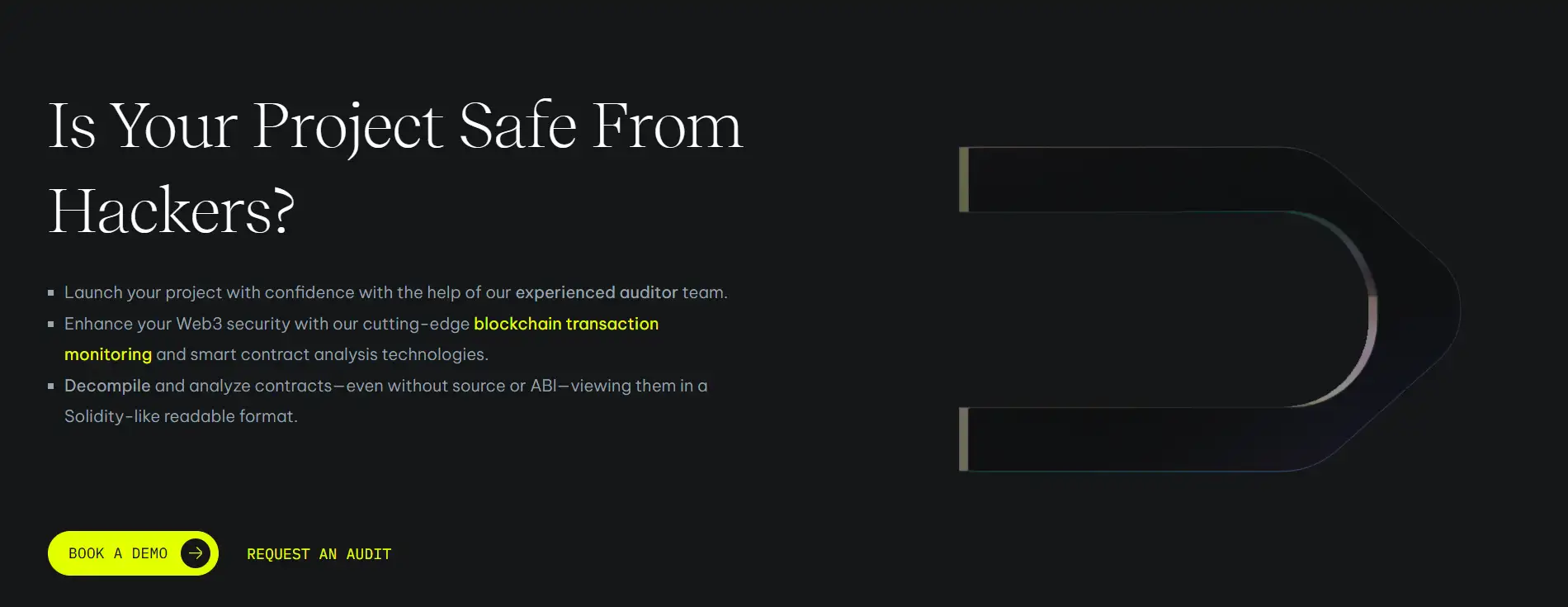
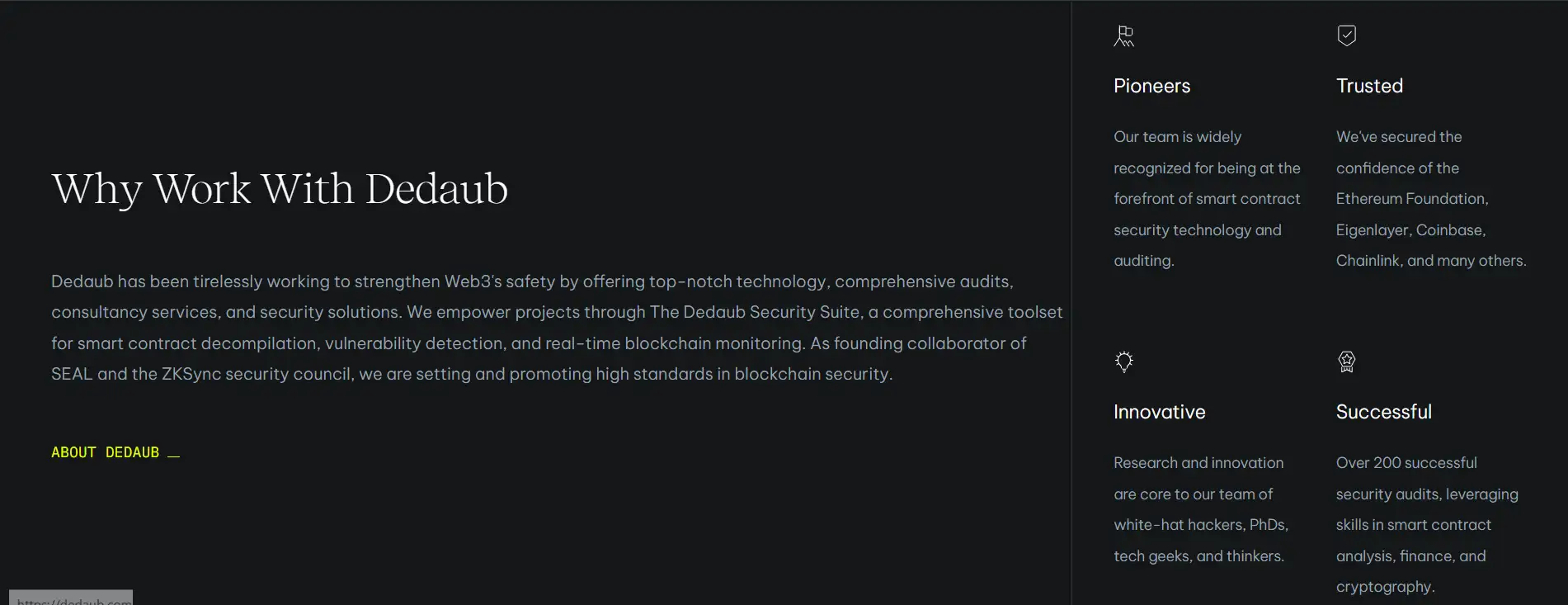
Dedaub is a premier smart contract security firm delivering advanced audit services and real-time blockchain analysis through its flagship product—the Dedaub Security Suite. Trusted by the Ethereum Foundation, Chainlink, Lido, and many leading protocols, Dedaub brings together white-hat hackers, PhDs, and expert engineers to secure the Web3 ecosystem through both proactive research and practical tooling.
With over $30B in assets secured by audited code and a portfolio spanning 200+ smart contract audits, Dedaub has become a cornerstone in the security infrastructure of DeFi, NFTs, oracles, bridges, and L1/L2 networks. From perpetual protocols to zero-knowledge cryptography and consensus mechanisms, their team combines academic rigor with hands-on vulnerability research to eliminate critical risk before project launches.
Dedaub goes far beyond conventional auditing by offering a complete Web3 security platform. Their services cover everything from bespoke smart contract audits and formal verification to architectural reviews, risk mitigation, and post-deployment monitoring. The company’s cornerstone product, the Dedaub Security Suite, provides a real-time security stack that includes a state-of-the-art decompiler, static analyzer, and smart contract monitor—all fully compatible with EVM-based chains.
A key innovation of the platform is its ability to decompile bytecode into Solidity-like output, even without source code or ABI. This gives developers, researchers, and auditors immediate insight into potentially malicious or undocumented contracts—including MEV bots and forked protocols. The system automatically analyzes thousands of contracts per day and supports detailed simulation, ABI extraction, and vulnerability flagging using advanced static analysis.
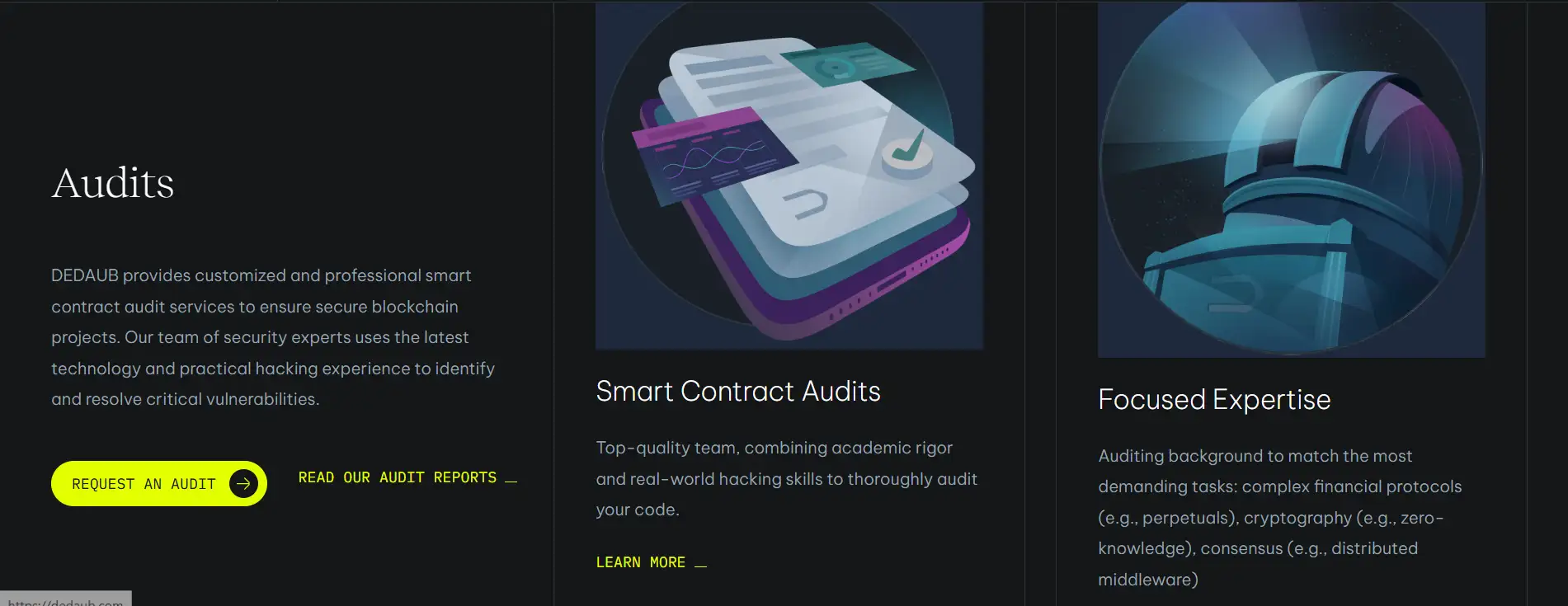
Beyond tooling, Dedaub has a strong reputation for high-impact audit work. They have uncovered vulnerabilities in high-value systems such as EigenLayer, Liquity V2, Lido staking, and Protocol Guild. Their audit process follows a rigorous, multi-step framework including architecture analysis, fuzz testing, cost review, and re-validation of remediated issues. They categorize vulnerabilities by severity and offer detailed developer guidance for fixes.
Through its collaborations with initiatives like SEAL 911 and participation in zero-knowledge and consensus protocol audits, Dedaub is not only shaping the standards of smart contract security but also driving the culture of open, proactive defense in the Web3 world. The firm has secured billions in Total Value Locked (TVL), contributed to bug bounty recoveries worth millions, and built a growing client base of leading dApps and chains.
While competitors like OpenZeppelin, Trail of Bits, and Code4rena focus on audits, contests, and SDKs, Dedaub differentiates itself by building deeply technical tools like a decompiler and static analyzer tailored for security researchers. Combined with academic expertise and a hacker mindset, Dedaub stands out as both a service provider and security technology innovator.
Dedaub provides numerous benefits and features that make it a standout project in the smart contract security landscape:
Dedaub offers a straightforward onboarding process to help projects secure their Web3 infrastructure:
Dedaub’s industry-leading decompiler, part of the Dedaub Security Suite, allows users to analyze deployed contracts that lack verified source code or ABI. The tool translates EVM bytecode into a Solidity-like format, enabling quick inspection of function logic, variable names, and permission structures. This is especially valuable for analyzing MEV bots, cloned protocols, and contracts with unknown origins. It also links to other explorers like Eveem and EtherVM for cross-verification.
Dedaub combines academic research expertise with real-world vulnerability hunting. Their audit team includes PhDs and security engineers skilled in perpetual protocols, ZK Proof systems, and middleware consensus mechanisms. This expertise has made them the go-to auditors for projects like Lido, EigenLayer, and Protocol Guild. Their reviews include deep protocol logic modeling and economic attack simulations to identify non-obvious vulnerabilities before mainnet deployment.
The Dedaub Security Suite offers real-time tracking of smart contract behavior after deployment. It flags abnormal activity, such as repeated function calls, high-risk interactions, or suspected exploit behavior. This enables projects to catch vulnerabilities or potential exploits early—even for unaudited or third-party contracts. Users can also simulate transactions and evaluate contract solvency, ensuring constant visibility into critical DeFi components.
Dedaub is a founding participant in the SEAL 911 alliance, a coalition of elite security researchers and auditors who provide emergency incident response to exploited protocols. Through SEAL, Dedaub participates in real-time “war rooms,” helping analyze attack vectors and coordinate mitigation strategies across high-value ecosystems. This collaborative model has already secured billions in TVL and prevented cascading failures across protocols.
Yes. Developers can use Dedaub Security Suite tools like the decompiler and static analyzer to review their smart contracts in advance of an audit. This helps surface common issues, estimate complexity, and clean up the codebase before formal review. It also allows developers to test how their contract appears without verified source code—offering insights into how others might analyze their deployed code in the wild.