
DataHive AI

AI • Data Analysis
Decentralized AI data collection platform

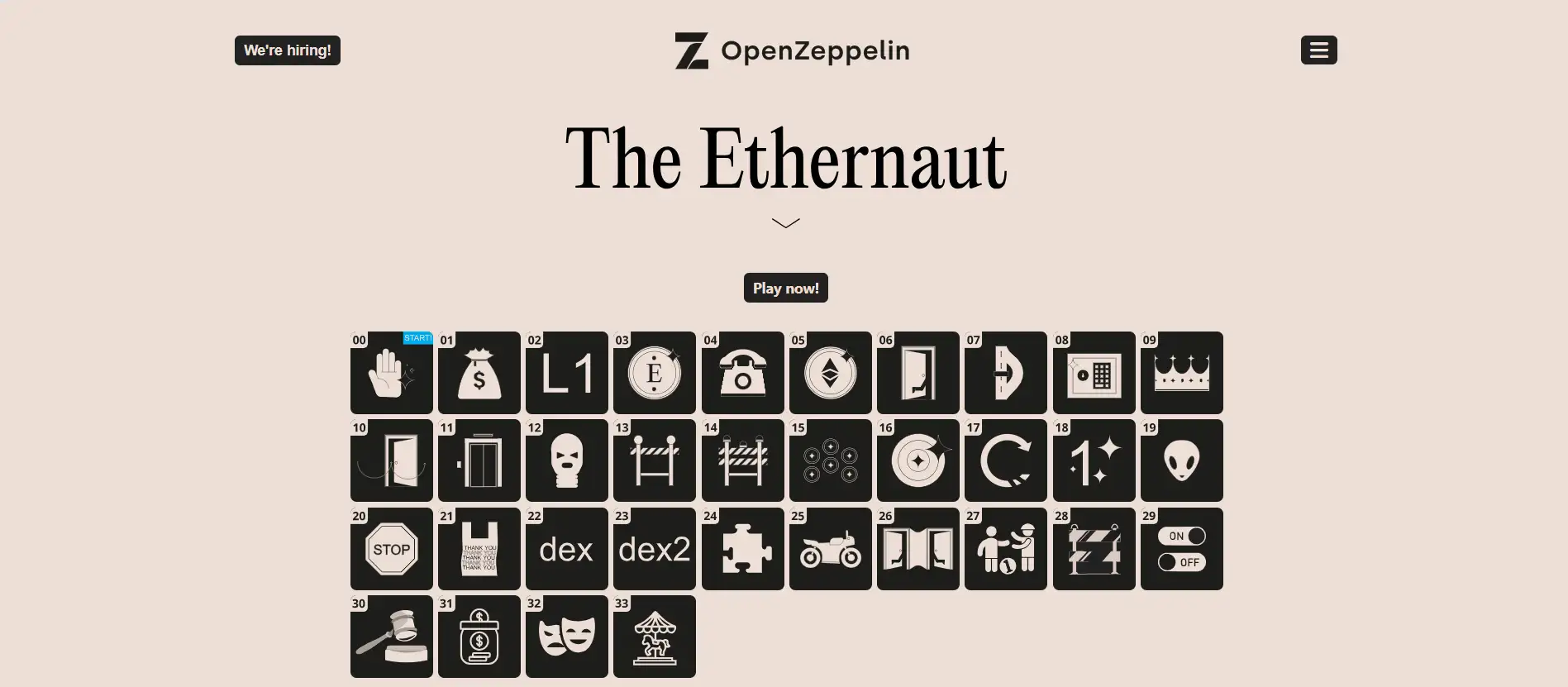

Ethernaut is a Web3-based Solidity wargame built by the team at OpenZeppelin, designed to teach players about Ethereum smart contract vulnerabilities through hands-on challenges. Each level of the game represents a unique smart contract that players must exploit to advance, simulating real-world scenarios of blockchain exploits and flaws.
Hosted at ethernaut.openzeppelin.com, the game is open-source and powered by the Ethereum Virtual Machine. With dozens of community-contributed levels, Ethernaut helps both beginners and advanced developers master smart contract security in a fun, immersive, and technical environment.
Ethernaut is an educational wargame that challenges users to “hack” smart contracts deployed on the Ethereum blockchain. The game is deeply inspired by the classic OverTheWire security platform but redesigned for the decentralized future. Each level introduces a specific vulnerability commonly found in smart contracts—such as re-entrancy, integer overflow, unprotected delegate calls, and access control misconfigurations.
The game does not require linear progression, meaning players can select any level they wish and test their understanding of Solidity, EVM bytecode, and blockchain logic. Levels range from beginner-friendly tasks like bypassing constructor logic or understanding fallback functions, to advanced exploits involving delegatecall abuse, proxy patterns, and calldata manipulation. Every completed level deepens the player’s understanding of how smart contracts can fail—and how to defend against such exploits.
What sets Ethernaut apart from similar platforms like Damn Vulnerable DeFi or Capture the Ether is its direct integration with the Ethereum network (supporting both local testnets and Sepolia), interactive browser-based interface, and its growing community of contributors. With over 30 levels such as Reentrancy, Puzzle Wallet, Elevator, Gatekeeper series, and Magic Animal Carousel, the platform provides a comprehensive overview of Solidity security concepts.
Developers can also run Ethernaut locally or contribute new levels using its open-source codebase on GitHub. It offers a full React-based frontend, smart contract deployment tools, and complete support for Ganache, Hardhat, and Sepolia testnets. By encouraging community-driven level creation, Ethernaut remains a dynamic and ever-evolving educational playground for Ethereum developers.
Ethernaut offers unique features and benefits for developers and security learners:
Getting started with Ethernaut is quick and beginner-friendly, while also offering a full developer mode for advanced users:
yarn install, yarn network, and yarn compile:contracts to start a local testnet and deploy contracts.
constants.js file and deploy.sepolia.json to deploy and test on the Sepolia network.
Ethernaut stands out by offering a fully interactive, hands-on approach to learning smart contract security. Unlike traditional courses or documentation, it gamifies the learning experience. Each level presents a real smart contract deployed on a testnet, and your mission is to “hack” it using Solidity and EVM knowledge. All of this happens in a live Web3 environment, giving you practical experience that mirrors real-world exploits. Try it now at ethernaut.openzeppelin.com.
No. Ethernaut uses the Sepolia testnet or local networks like Ganache or Hardhat, which means you don’t need to spend any real ETH. You can obtain testnet ETH from faucets or generate tokens through your local test environment. This setup ensures you can explore, experiment, and break contracts without financial risk. Start playing at ethernaut.openzeppelin.com.
Yes! Ethernaut is open-source, and community contributions are encouraged. If you have an idea for a smart contract vulnerability that would make a good level, you can submit it as a pull request on the official GitHub repo. Make sure to follow the contribution guidelines. Your challenge could become part of the public game and help thousands of developers learn security.
Ethernaut offers levels covering a wide range of Solidity security issues. These include re-entrancy attacks, delegatecall exploits, storage collisions, unchecked access control, tx.origin vulnerabilities, and more. Each level is based on realistic exploits or historical DeFi hacks, helping you build a solid mental model of how things go wrong—and how to fix them. Play and learn at ethernaut.openzeppelin.com.
Absolutely. While some levels are advanced, Ethernaut starts with beginner-friendly challenges that introduce concepts like fallback functions and constructor misuse. Even if you’re new to Ethereum development, the platform encourages trial and error in a safe environment. Plus, you can study the contract code and replay levels at your own pace. It’s an ideal tool for any developer eager to understand smart contract vulnerabilities from the ground up. Start exploring at ethernaut.openzeppelin.com.