
DataHive AI

AI • Data Analysis
Decentralized AI data collection platform

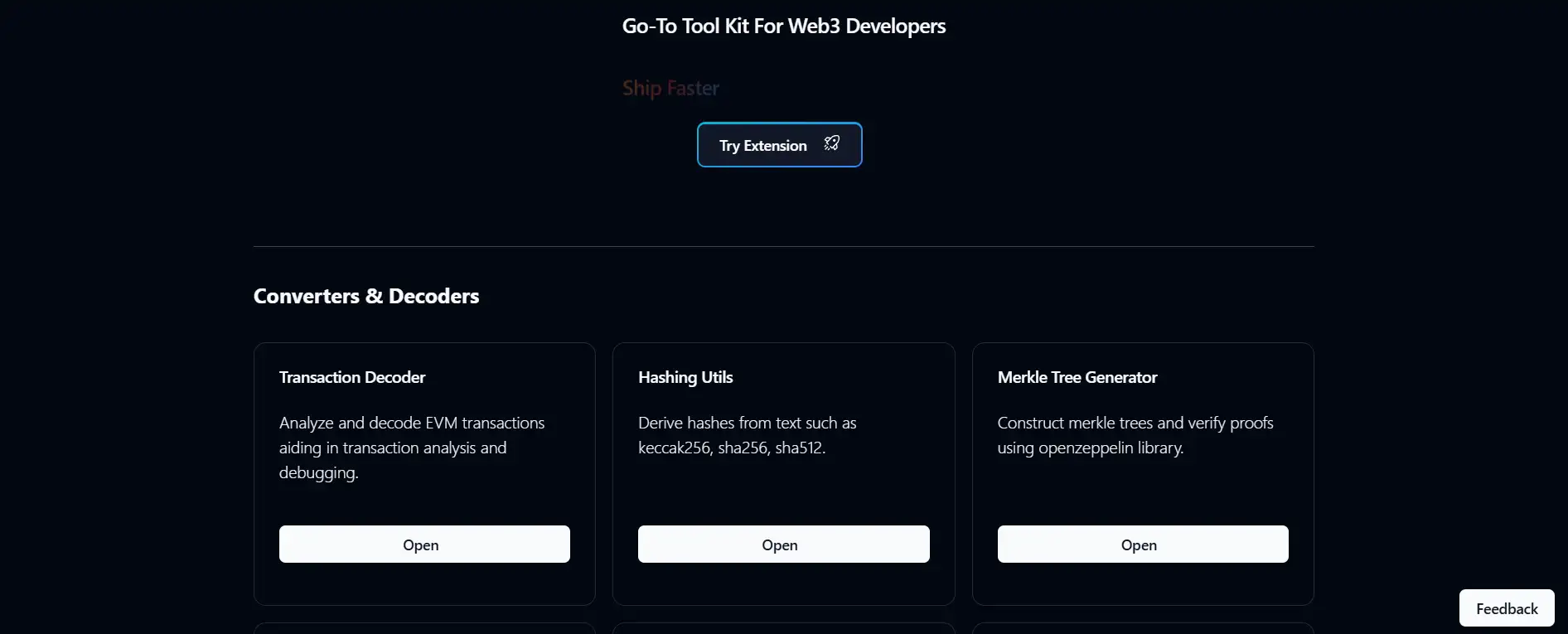
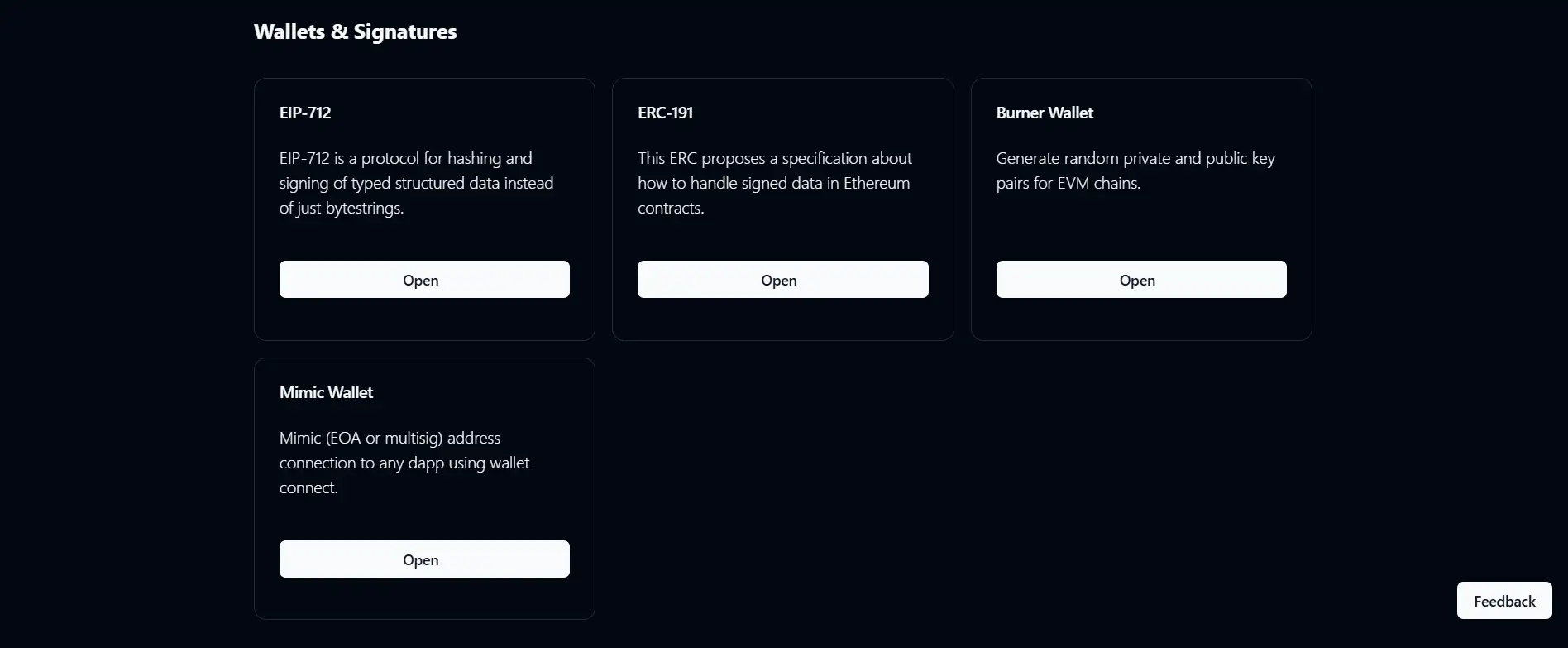
EVMTools is a powerful and evolving toolkit tailored for Web3 developers working across the Ethereum Virtual Machine (EVM) ecosystem. Designed to eliminate friction and save developers time, EVMTools brings together dozens of essential utilities in one accessible interface—ranging from transaction decoders and ABI encoders to ENS lookup tools, ZK utilities, and Solidity cheatsheets. Whether you're auditing smart contracts, deploying applications, or building in zero-knowledge environments, EVMTools provides instant, browser-based access to the most needed features in a developer's workflow.
What sets EVMTools apart is its commitment to performance, ease of use, and deep integration with Layer 2 networks and ZK ecosystems. Developers can interact with verified smart contracts, decode calldata, manipulate bits and bytes, inspect ENS records, or analyze Uniswap pricing mechanics—all without writing a single line of extra code. With its growing library of tools and a mission to support smart contract engineers, ZK researchers, and dApp builders alike, EVMTools has become an indispensable resource for serious Web3 builders.
EVMTools is a comprehensive Web3 utility suite aimed at improving the productivity and precision of blockchain developers. Built by engineers for engineers, the platform supports tasks across smart contract development, transaction analysis, ZK proofs, and Ethereum ecosystem debugging. From the beginning, EVMTools has focused on solving the fragmented nature of developer tools by bringing together a wide range of frequently used utilities into one streamlined, zero-login interface.
Key modules include a feature-rich transaction decoder for analyzing calldata, hashing utilities for common cryptographic functions (Keccak256, SHA256, SHA512), ENS inspectors, and Merkle tree generators. Developers working on token contracts or front ends can access converters for gas units, byte manipulation, timestamps, and ABI encoding. Meanwhile, more advanced tools such as ZK boilerplates and Uniswap V4 hook generators serve users building in DeFi or privacy-focused environments.
The platform’s smart contract tooling deserves special attention. The Contracts UI lets users interact with multiple deployed contracts simultaneously—calling both read and write functions, either with verified ABIs or locally uploaded ones. Integration with Anvil and Hardhat environments enables local testing and rapid iteration. Storage Reader tools allow developers to inspect contract slots directly, revealing how data is structured on-chain—a must-have for audit professionals.
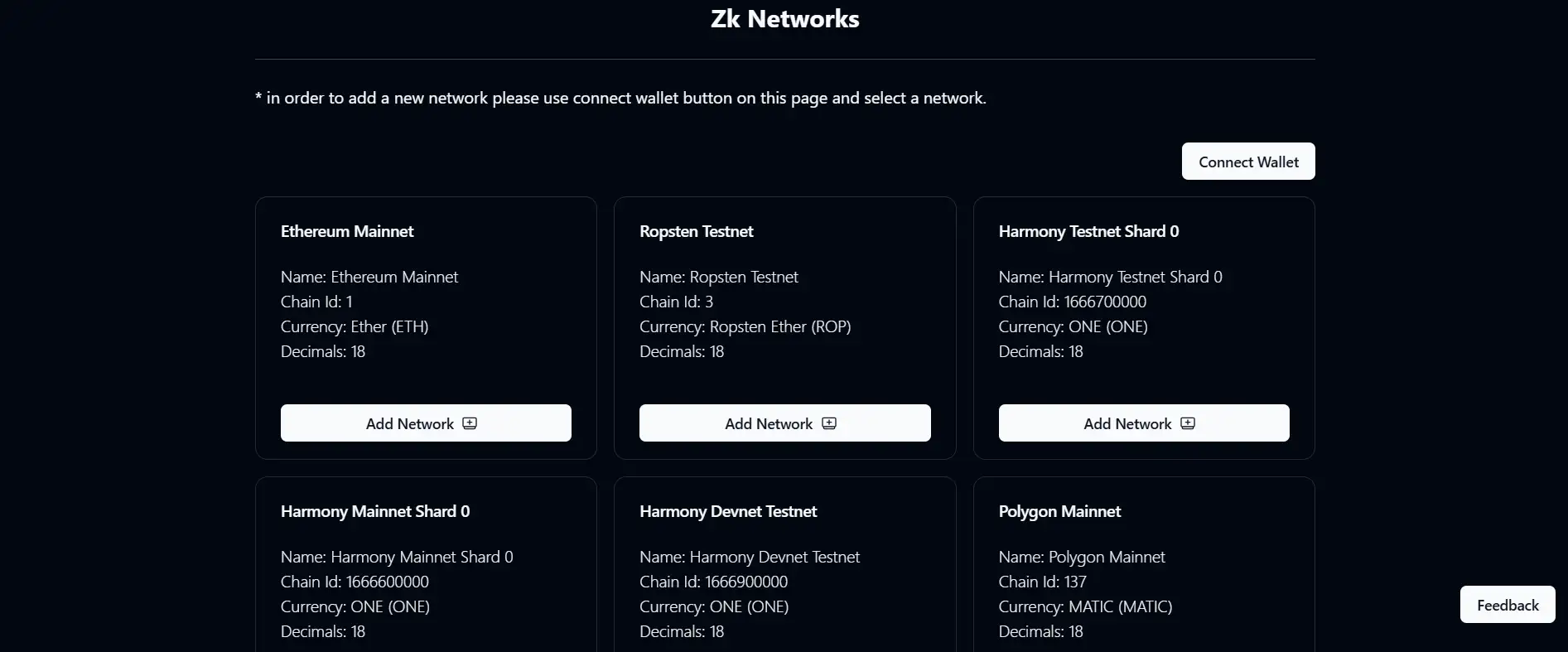
The ecosystem support is wide: from Ethereum mainnet and testnets (Ropsten, Sepolia) to Layer 2 networks like Arbitrum, zkSync, Base, Optimism, Linea, and Polygon zkEVM. Users can connect their wallets to interact directly with supported networks, inspect contracts, and run storage checks.
In the competitive Web3 toolspace, EVMTools compares favorably to platforms like Ethernaut, eth.build, and Remix IDE. However, EVMTools distinguishes itself through modularity, zero-setup architecture, and a toolkit-first rather than IDE-first approach—catering to production developers, bug bounty hunters, and researchers alike.
EVMTools provides numerous benefits and features that make it a vital asset for Ethereum and Web3 developers:
Getting started with EVMTools is quick and frictionless:
Yes, EVMTools allows developers to interact with both verified and unverified contracts. If the contract isn’t verified on-chain, you can simply upload the ABI manually through the Contracts UI. This enables you to call read/write functions directly from your browser without deploying anything locally. It's ideal for rapid testing, prototyping, or reverse engineering interactions with obscure or experimental smart contracts.
EVMTools provides a dedicated set of utilities for working with Uniswap V4 hooks. These include a Hook Checker to determine enabled hooks, a template generator to scaffold new implementations, and a salt miner to compute deterministic addresses. These tools save time by automating tasks that are otherwise manual, helping developers ensure proper integration and address predictability when deploying hook-enabled contracts.
The Storage Reader in EVMTools helps you visualize how a contract stores data across EVM storage slots. This is especially helpful during security audits or bug bounty reviews, as you can inspect variable layout, detect slot collisions, and understand low-level data organization without relying on source code. It allows security researchers to analyze upgradeable proxy contracts, mappings, and complex structs directly from deployed addresses.
Absolutely. EVMTools features a ZK Boilerplate section where developers can explore zero-knowledge applications using Circom and snarkjs right from the browser. There’s no need to install compilers or node environments—developers can work on zkCircuits, generate proofs, and test logic in a completely browser-based workflow, making it ideal for early-stage prototyping and learning.
Contracts UI is designed with local development environments in mind. You can connect it to local testnets spun up using Hardhat or Anvil and interact with your contracts in real time. It automatically detects deployments, allows manual ABI input, and supports both read and write interactions—perfect for iterative development or debugging sessions in a controlled, reproducible environment.