DataHive AI

AI • Data Analysis
Decentralized AI data collection platform

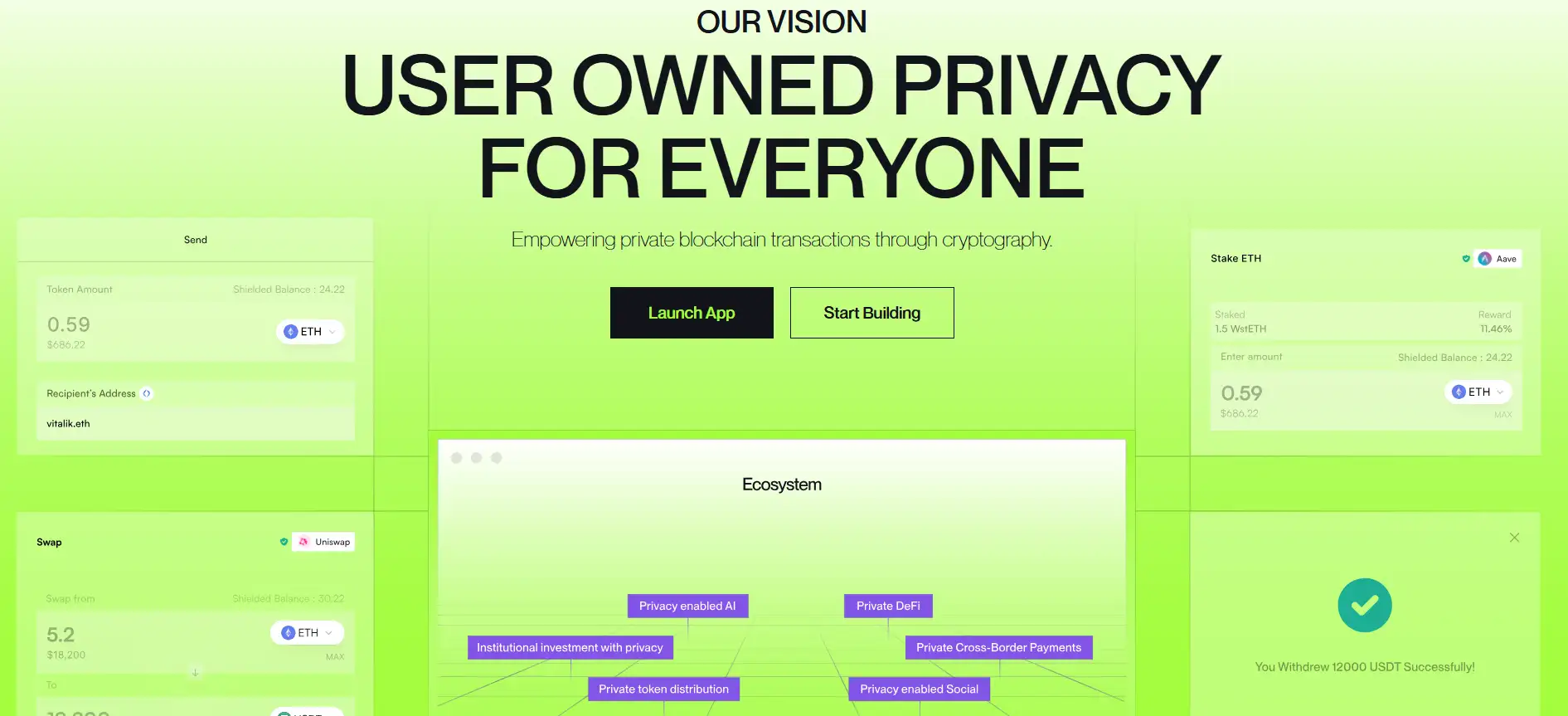
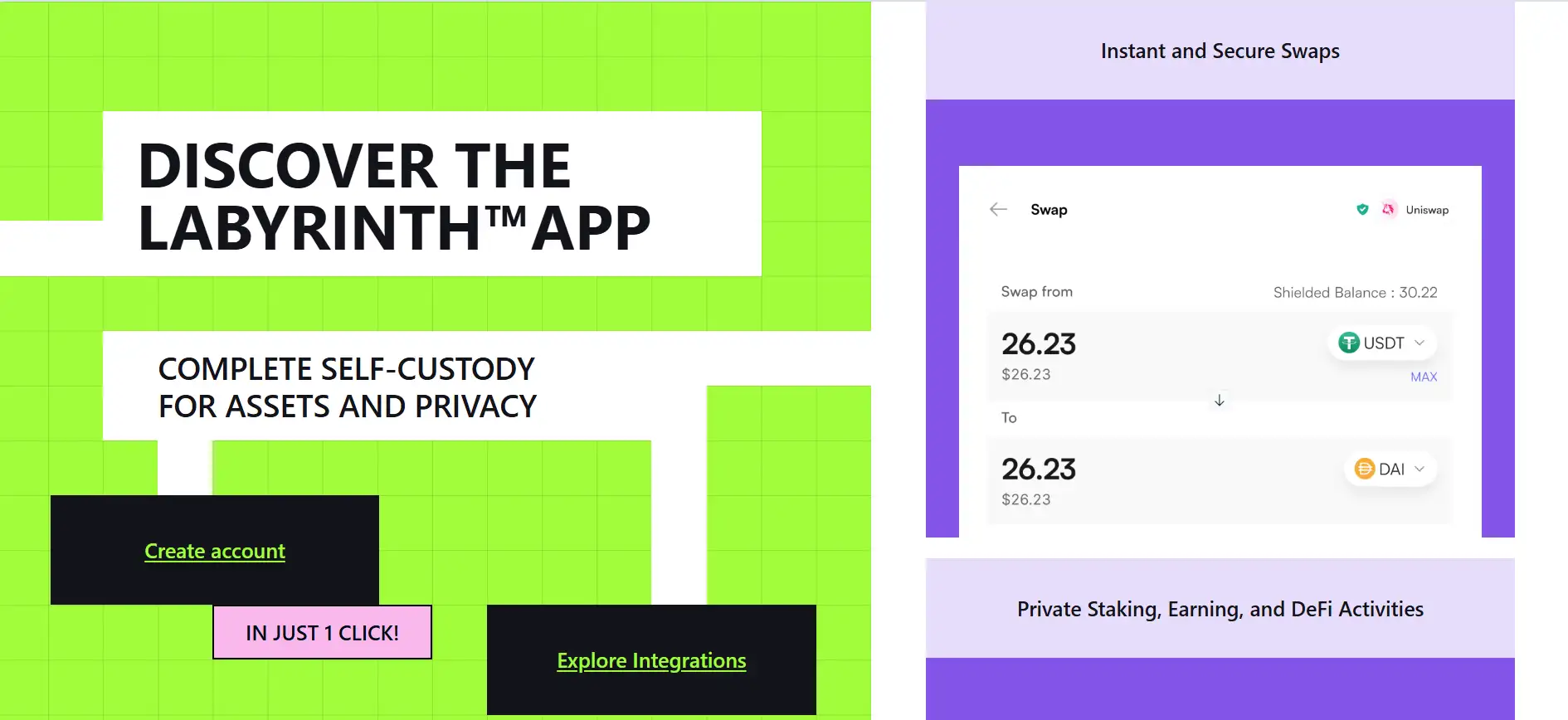
Labyrinth is a multi-chain, modular privacy framework designed to make user-owned privacy the default for all on-chain activities. Powered by zero-knowledge proofs and threshold cryptography, Labyrinth enables compliant private transactions for both individuals and applications. Its decentralized compliance network ensures no single entity has control over privacy decisions, striking a balance between confidentiality, compliance, and decentralization.
Whether accessed through its intuitive Labyrinth App or integrated via the Labyrinth SDK, the platform allows users and developers to perform private transfers, staking, yield farming, swaps, and more — all with selective disclosure capabilities for lawful compliance. This innovative approach protects legitimate users while deterring illicit activities, creating an ecosystem where privacy is not an obstacle to regulation but a partner in security.
Labyrinth is a multi-chain, modular privacy framework that tackles the “Privacy Trilemma” by combining privacy, decentralization, and compliance in one architecture. Built around zero-knowledge proofs, threshold cryptography, and a decentralized guardian/revoker model for selective de-anonymization (SeDe), Labyrinth makes user-owned privacy practical for everyday on-chain activity. The V1.0 private beta introduces one-click setup with existing wallets, shielded accounts, private cross-chain transfers, secure swaps, and private DeFi interactions—while preserving the ability to disclose activity selectively for taxes or legal needs via viewing keys.
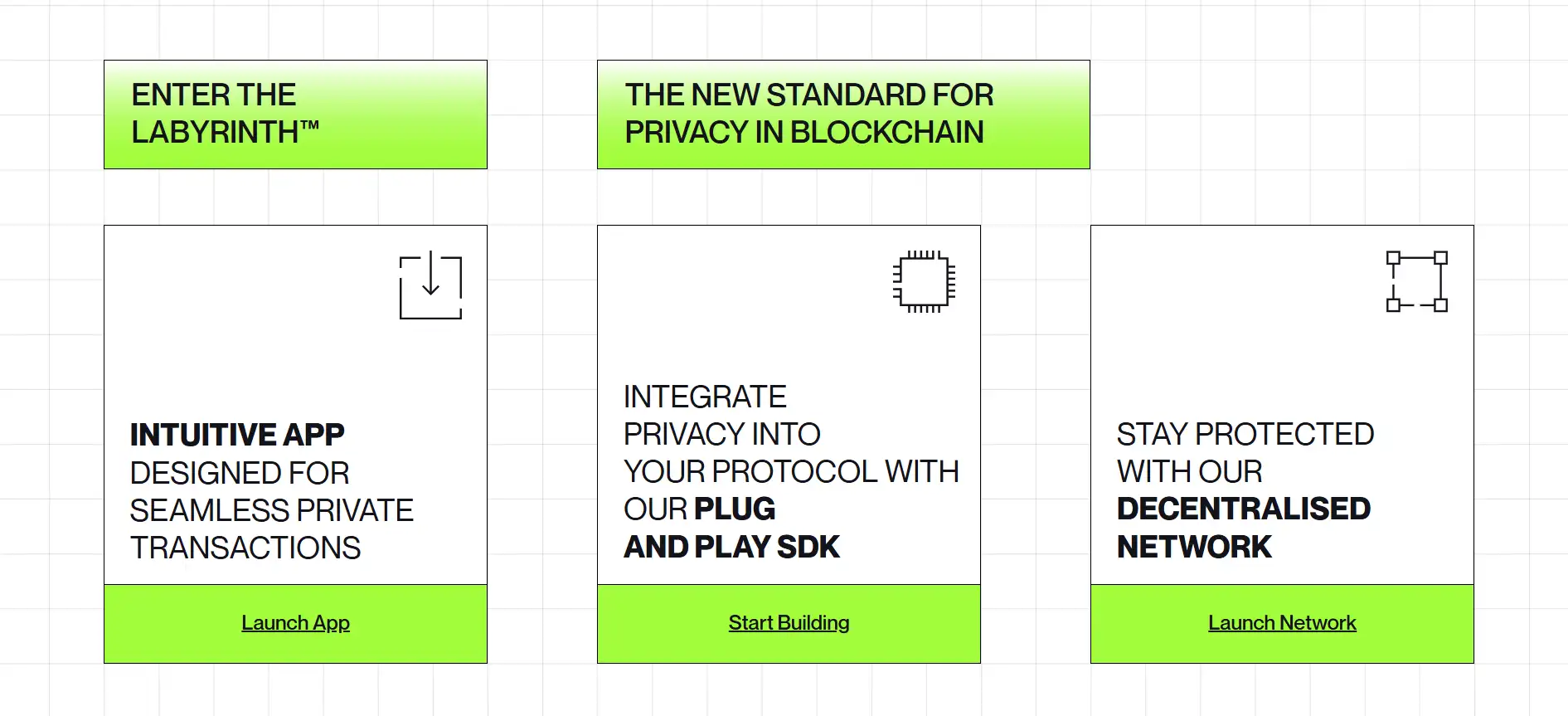
On the developer side, the Labyrinth SDK offers plug-and-play privacy for DeFi, AI/ML, and social protocols. TypeScript APIs and Solidity contracts abstract zk complexity, while a proxy-style integration pattern means teams typically don’t need to alter existing deployed contracts. The SDK supports EIP-4337 account abstraction so users can pay gas in ERC-20s or enjoy sponsored transactions—key to delivering a consumer-grade UX with compliant privacy. A Shield Score (SS) aligns incentives by rewarding deposit depth and transaction frequency that improve anonymity sets; privacy takers pay lightweight fees for withdrawals or integrated DeFi actions.
Crucially, Labyrinth’s decentralized compliance network distributes decision-making for selective de-anonymization across independent guardians and revokers. Voluntary SeDe lets users export encrypted histories for auditors, tax authorities, or counterparties; in narrowly defined cases, lawful in-voluntary SeDe can occur, but only with multi-party cryptographic consent. This approach protects honest users while giving regulators a compliant pathway for investigations.
In the privacy-tech space, Labyrinth operates alongside other solutions such as Aztec Network, which focuses on zk-rollup privacy; and Railgun, which offers shielded DeFi transactions. However, unlike these, Labyrinth uniquely integrates decentralized compliance with multi-chain support, a developer-friendly SDK, and incentive mechanisms—making it suited for both enterprise integrations and retail privacy needs.
Labyrinth delivers a wide range of benefits and features for users and developers seeking secure, compliant, and decentralized privacy:
Labyrinth is currently in private beta, giving early adopters a chance to experience seamless blockchain privacy. Here’s how to get started:
Labyrinth uses a decentralized compliance network built on the guardian/revoker model, which ensures that no single entity can unilaterally de-anonymize transactions. When lawful compliance is required, multiple guardians must approve the request before a revoker can access transaction details. This multi-party cryptographic consent process prevents abuse and protects the privacy of honest users while enabling targeted investigations against illicit activities. You can learn more about compliance in Labyrinth’s official documentation.
The Shield Score (SS) is a unique incentive system in Labyrinth that rewards users for contributing to the network’s privacy strength. It is calculated based on factors like deposit size, time in the system, and transaction frequency. A higher Shield Score increases anonymity for all participants and can be converted into assets as rewards. This encourages active participation in building a stronger privacy set, benefiting both the user and the ecosystem.
Labyrinth provides a plug-and-play SDK with TypeScript APIs and Solidity proxy contracts that act as a logic layer between Labyrinth and any protocol. This means developers can add shielded transactions and compliant privacy features without modifying existing deployed contracts. The integration process is streamlined, requiring only the deployment of a lightweight intermediary contract.
Labyrinth supports multi-chain privacy by enabling shielded accounts that work seamlessly across different blockchain networks. Users can perform private transfers, cross-chain swaps, and DeFi interactions without revealing their transaction details on public ledgers. The platform’s ENS support also improves the user experience by allowing human-readable addresses while still maintaining zero-knowledge protection.
While Labyrinth is powerful for DeFi privacy, it also extends to AI/ML data protection, social media privacy, and data monetization. In AI/ML, Labyrinth ensures sensitive inputs and outputs remain private. For on-chain social platforms, it gives users full control over who can see their content. In data monetization, users can prove ownership and sell their contributions without revealing unnecessary personal information. These capabilities make Labyrinth a versatile privacy infrastructure across blockchain industries.