DataHive AI

AI • Data Analysis
Decentralized AI data collection platform

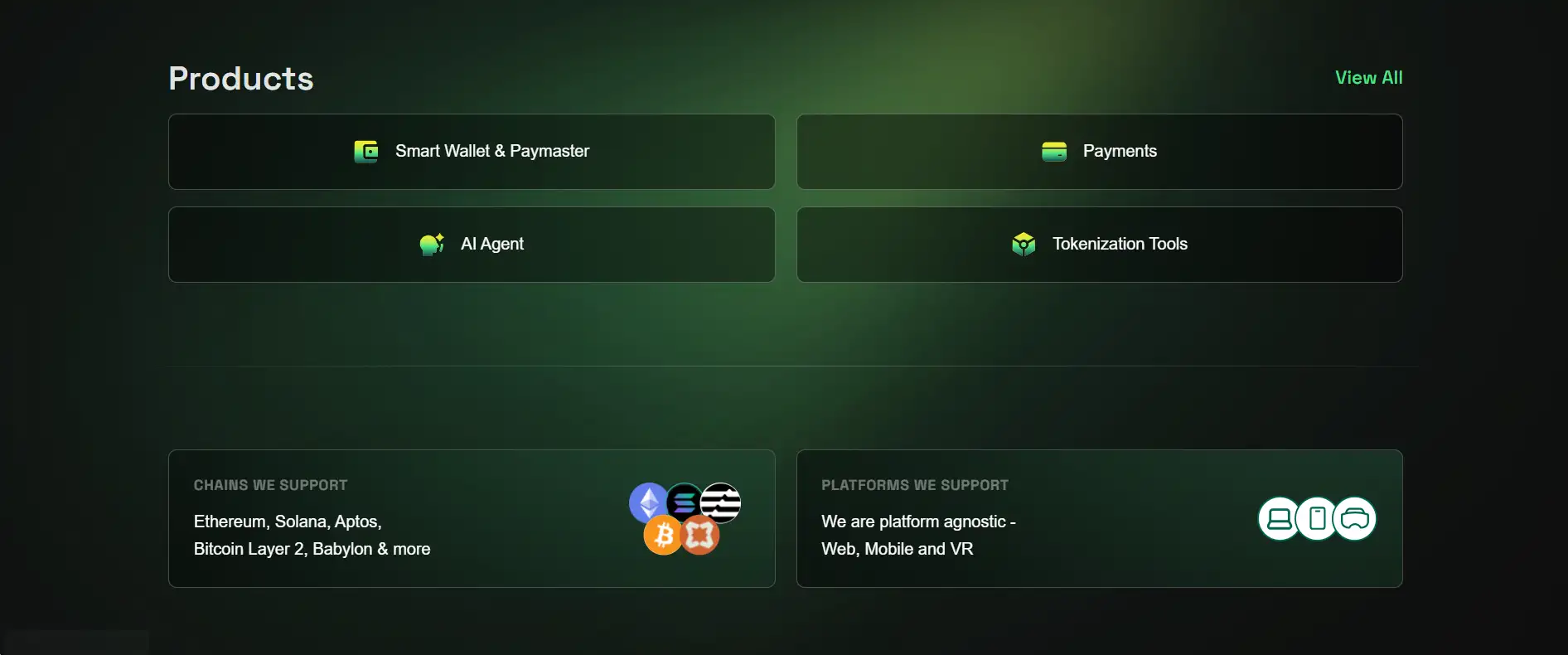
LYNC is an innovative autonomous layer that combines AI and Web3 infrastructure to enable decentralized development at scale. Focused on accessibility and performance, it offers a unified toolkit for developers and founders to build, launch, and manage decentralized applications—without complex technical barriers. Through a blend of intuitive no-code tools and blockchain-native components, LYNC is reshaping how developers onboard into the decentralized internet.
As a mobile-first and platform-agnostic solution, LYNC supports multiple blockchains including Ethereum, Solana, Aptos, and Bitcoin Layer 2s, allowing seamless cross-chain deployment. From smart wallets and gasless transactions to on-chain AI agents and tokenization SDKs, LYNC delivers a powerful, plug-and-play layer designed for scalability and interoperability in the future of Web3.
LYNC was created to address the core limitations holding back mass adoption in Web3: complexity, fragmentation, and accessibility. Most decentralized ecosystems require deep technical expertise, manual integration of multiple protocols, and considerable development time. LYNC solves this by offering an all-in-one AI + Web3 layer that simplifies building across chains and platforms—cutting development time by up to 90%.
The architecture of LYNC is built to support not just Web and Mobile, but also emerging environments like Virtual Reality (VR), making it future-ready. Developers gain access to powerful SDKs, smart wallet solutions with social login, gasless transactions using paymasters, and fiat-to-crypto rails. These capabilities make onboarding seamless for both developers and end users, whether they’re launching a dApp, a DAO, or an NFT platform.
In addition to its wallet and payment solutions, LYNC provides robust infrastructure for autonomous AI agents. These agents are equipped with memory, logic execution, and dashboard capabilities, empowering developers to automate on-chain workflows, build responsive AI dApps, and integrate machine learning within decentralized systems. The integration of AI directly into Web3 development workflows is a core differentiator, positioning LYNC as a future-facing platform ready for the next generation of decentralized applications.
On the tokenization front, LYNC supports no-code deployment of fungible tokens and NFTs through user-friendly launchers. Developers can apply bonding curves, set up custom marketplaces, and monetize digital assets quickly using the built-in token tools. This makes LYNC a great choice for creators, projects, and businesses looking to integrate digital ownership without managing complex smart contracts.
Though still in its launch phase, LYNC already shows promise as a competitive player in the no-code Web3 and AI integration space. Competing platforms such as Thirdweb, Gelato, and Alchemy offer similar services, but LYNC sets itself apart by blending AI infrastructure natively into the build stack. This hybrid model positions LYNC as a transformative platform for the decentralized development landscape.
LYNC provides numerous benefits and features that make it a standout project in the AI and Web3 developer ecosystem:
LYNC makes it simple for developers, builders, and creators to start building in Web3 with AI-native tools:
LYNC dramatically speeds up Web3 development by offering a unified platform that includes pre-integrated wallets, payments, token tools, and AI agents. Developers can generate smart contracts and deploy cross-chain dApps using simple text prompts—removing the need for manual coding and complex protocol integration. With its no-code SDKs and APIs, builders can go from idea to production-ready dApp in a fraction of the usual time.
Yes, LYNC’s AI agent infrastructure allows developers to create fully autonomous on-chain agents with logic execution, memory, and integrated dashboards. These agents can monitor smart contracts, react to user behavior, manage assets, and execute programmable workflows—all without human intervention. This unique feature turns LYNC into an ideal platform for building AI-enhanced DeFi protocols, DAOs, or decentralized automation systems.
Using LYNC’s tokenization toolkits, developers and creators can launch a wide range of apps including NFT marketplaces, DAO platforms, in-game economies, and digital collectibles. The no-code interface supports features like bonding curves, royalty setups, and instant marketplace creation. Whether you’re a startup, game developer, or content creator, LYNC makes it easy to tokenize and monetize without writing complex smart contracts.
LYNC integrates gasless paymasters and fiat on/off ramps into its wallet and payment stack. This allows users to log in with social credentials, make on-chain transactions without needing native tokens, and buy assets using traditional payment methods. These features lower the barrier to entry, making Web3 apps more accessible to mainstream users. The LYNC stack ensures developers don’t have to build this infrastructure from scratch.
Absolutely. LYNC is designed to be platform-agnostic and supports Web, Mobile, and Virtual Reality (VR) environments. Its modular architecture allows developers to create immersive decentralized experiences for next-gen devices and spatial computing platforms. As digital interaction moves beyond screens, LYNC provides the tools to stay ahead of the curve in building future-ready apps and experiences.