DataHive AI

AI • Data Analysis
Decentralized AI data collection platform

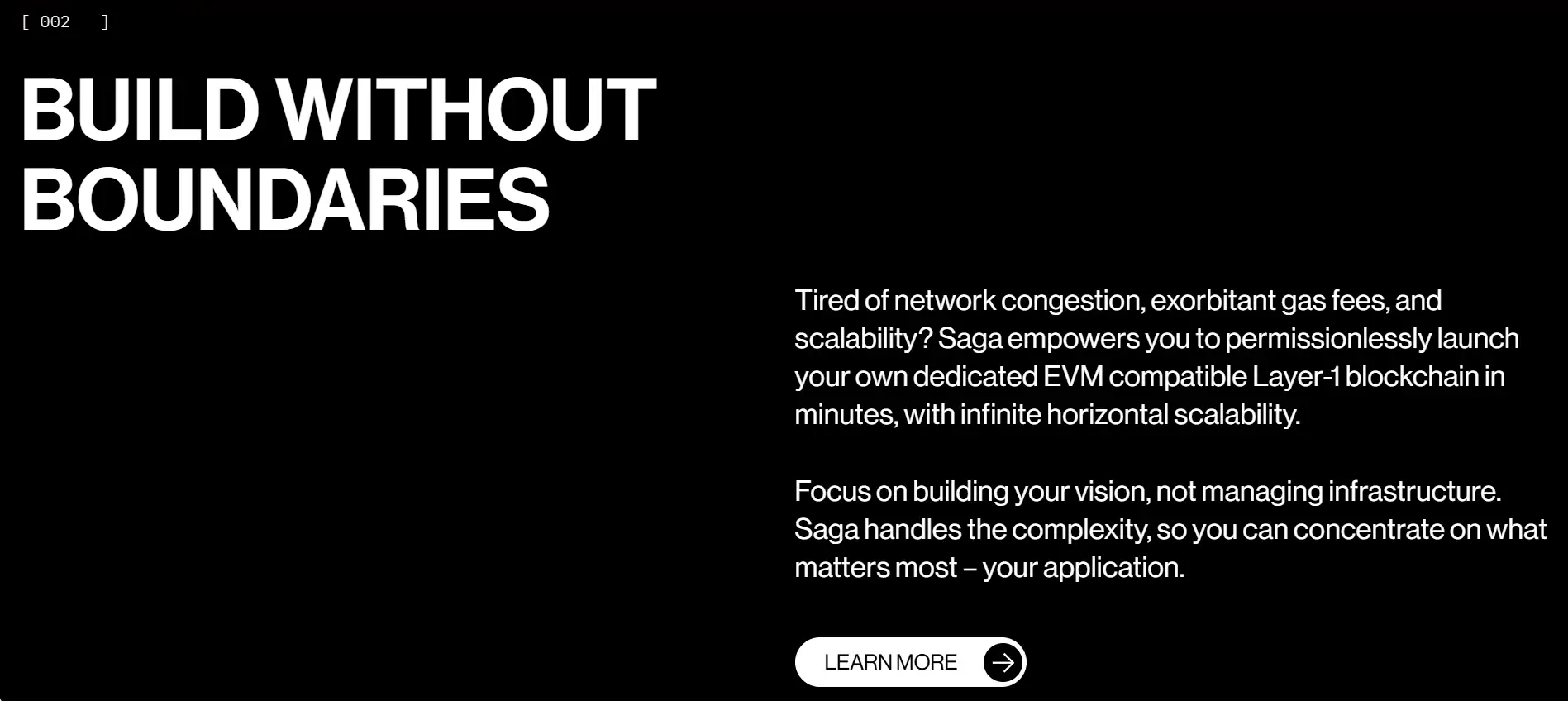
Saga is a next-generation blockchain protocol purpose-built for deploying dedicated Layer-1 blockchains, known as Chainlets. Unlike traditional chains that share limited blockspace among thousands of applications, Saga enables developers to launch app-specific, interoperable Layer-1s in minutes. These Chainlets provide isolated blockspace, full sovereignty, and performance scaling on demand, eliminating congestion and high gas fees.
At its core, Saga’s infrastructure makes it effortless for developers to spin up scalable, secure, and composable blockchains with just a single transaction. Whether you're building in Web3 gaming, AI agent environments, or DeFi, Saga gives you control over your own blockchain runtime while still benefiting from cross-chain liquidity via the platform’s native Liquidity Integration Layer (LIL).
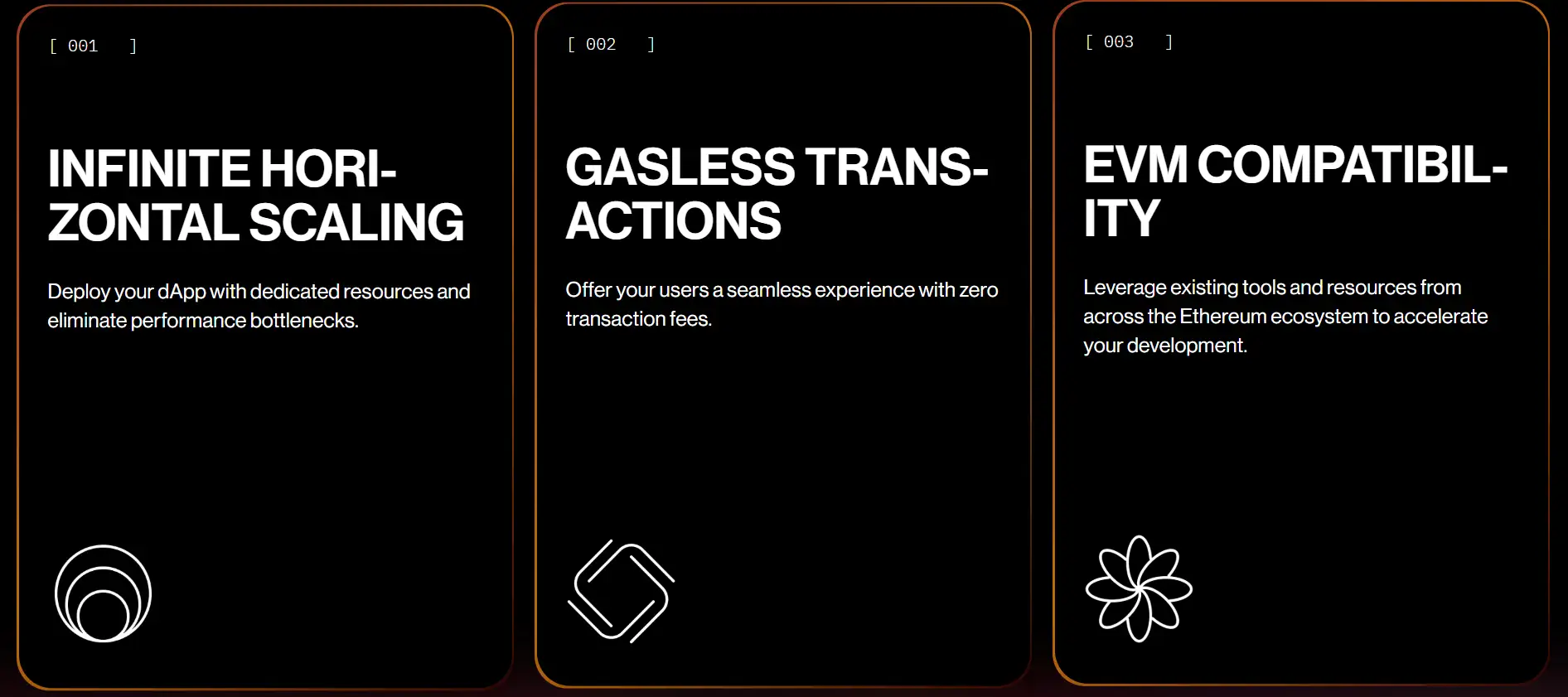
Saga is redefining blockchain scalability through its pioneering concept of Chainlets—dedicated Layer-1 chains that operate in parallel and scale horizontally. Rather than forcing developers to compete for blockspace on monolithic chains or rely on fragmented rollups, Saga enables each application to have its own blockchain with dedicated resources. This design ensures that every app can operate at peak performance, with no bottlenecks or unpredictable gas spikes.
The Saga platform transforms the idea of an “appchain” into a scalable and production-ready environment. Chainlets are deployed permissionlessly, with one-click automation that sets up infrastructure, validators, interoperability layers, and compliance support. This drastically reduces time-to-market for projects while preserving the security and decentralization of a traditional Layer-1. Chainlets launched on Saga are EVM-compatible, meaning they can use existing Ethereum tooling, smart contracts, and development standards.
One of the biggest innovations from Saga is the Liquidity Integration Layer (LIL), which addresses one of the most persistent problems in the blockchain space: liquidity fragmentation. With LIL, every Chainlet can seamlessly communicate and exchange value with other Chainlets and external ecosystems without the need for bridges. This composable liquidity unlocks simplified UX, stronger token economies, and lower integration costs for developers.
Saga’s novel token economic model further sets it apart. Instead of charging per-transaction gas fees that often penalize user growth, Saga takes a liquidity-centric approach. Projects can deploy their own tokens, control their own economic systems, and benefit from value flowing through the platform. This structure incentivizes innovation and scalability rather than restricting access, making Saga especially well-suited for sectors like gaming, AI, and consumer Web3 apps.
The ecosystem already includes notable applications such as Angelic (a sci-fi RPG), simNGMI (an AI agent protocol), and Lussa (a multiplayer shooter), all running on Chainlets with elastic scalability. Other examples include Zypher (on-chain puzzle game), Zuraverse (interactive alien adventure), and Metropolis (AI runtime solution). These projects highlight how developers are using Saga to power next-gen blockchain applications with high throughput and low friction.
In terms of competition, Saga sits in the same category as platforms like Avalanche (Subnets), Polygon Supernets, and Cosmos, all of which offer appchain capabilities. However, Saga’s full-stack automation, gasless user experience, and deep focus on liquidity composability place it at a distinct advantage, especially for developers who need to deploy fast and scale globally.
The platform is led by Web3 veterans including CEO Rebecca Liao, with a team committed to scaling blockchain infrastructure for mainstream adoption. From the rollout of Pegasus Mainnet to the launch of the Saga EVM, the roadmap reflects a commitment to high performance, decentralization, and composability. With Saga, developers finally have a path to launching powerful applications on their own dedicated Layer-1 chain—without compromising on security, speed, or UX.
Saga offers a wide array of features and benefits tailored to developers building the next generation of blockchain applications:
Getting started with Saga is designed to be developer-first and streamlined for any team looking to build their own chain:
Saga introduces a revolutionary concept called Chainlets, which allows developers to spin up their own dedicated Layer-1 blockchain in a single transaction. Unlike traditional appchains that require months of configuration, Saga automates everything—from validator setup and runtime configuration to security and liquidity onboarding. Developers can launch a chain in minutes with Saga’s tooling, focusing entirely on app logic while the protocol handles infrastructure. Learn more at saga.xyz.
The Liquidity Integration Layer (LIL) is Saga’s protocol-native solution to cross-chain liquidity fragmentation. It automatically connects every Chainlet with each other and external ecosystems, removing the need for bridges or manual routing. LIL ensures assets can move freely and securely, enabling seamless user experiences and composability across all applications built on Saga. It’s maintained by the validator network, making it secure, decentralized, and efficient by default.
Saga introduces a liquidity-centric economic model that does not rely on user-paid gas fees. Instead of penalizing usage, the protocol captures value through liquidity flows and network adoption. Projects can subsidize transactions to eliminate fees for users, improving accessibility and UX. This model incentivizes usage and growth, making Saga ideal for gaming, consumer apps, and AI protocols where frictionless interaction is key. Read more at saga.xyz.
Saga provides a full-stack platform that goes beyond deployment automation. Each Chainlet benefits from dedicated blockspace, gasless transactions, decentralized validators, and native liquidity interoperability. Competing solutions like rollups often require additional tools or bridging layers. Saga eliminates those complexities and offers a truly sovereign, scalable, and developer-friendly environment—making it faster to build and easier to scale.
Saga’s Chainlets provide isolated environments with elastic scalability and zero congestion, which are ideal for applications that demand high throughput, such as games and AI simulations. Projects like Angelic, simNGMI, and Zypher leverage this infrastructure to run seamlessly without competing for resources. Saga’s EVM compatibility ensures developers can build with familiar tools while benefiting from on-demand scaling and composable liquidity. Learn more at saga.xyz.