
DataHive AI

AI • Data Analysis
Decentralized AI data collection platform

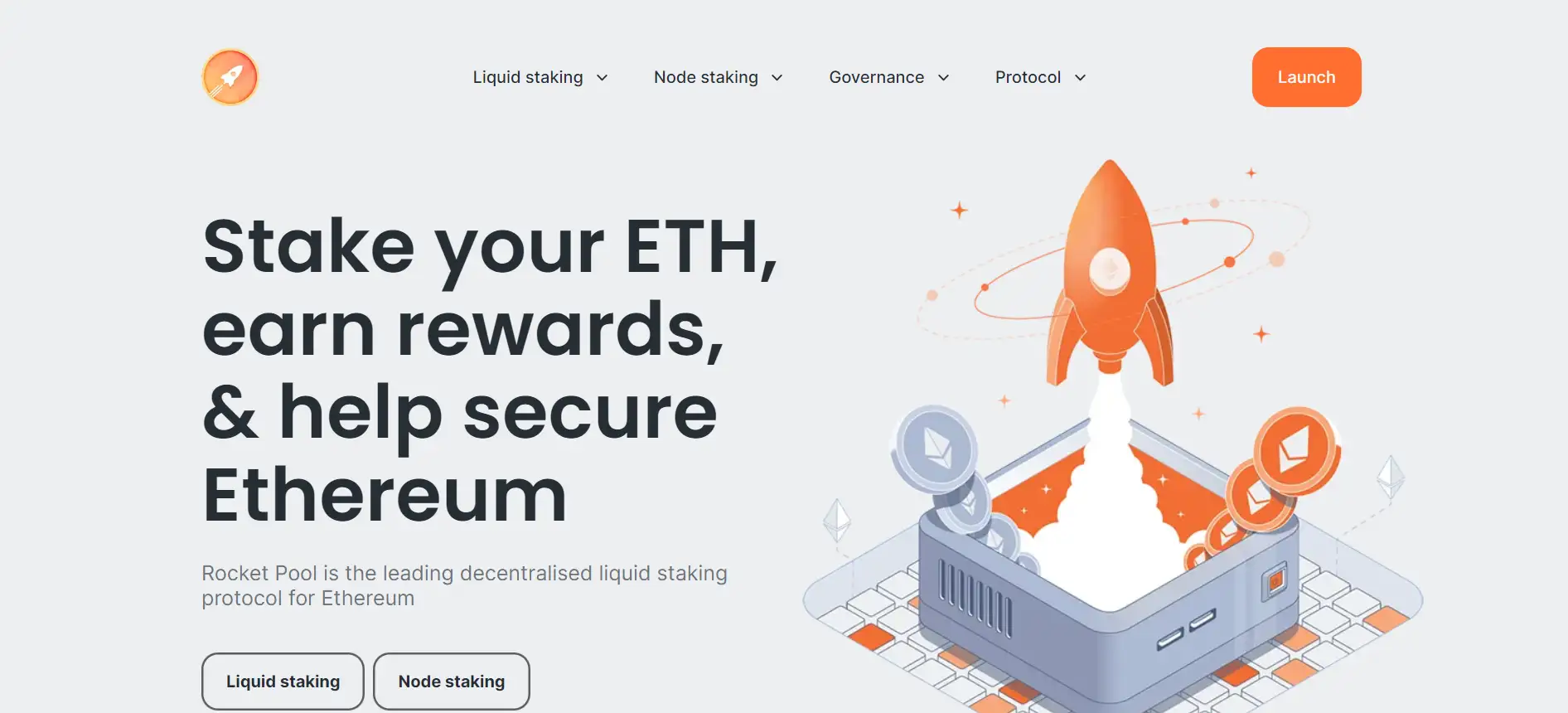
Rocket Pool was launched in 2016 with the goal of decentralizing Ethereum staking and making it more accessible to a broader audience. Since the transition of Ethereum to Proof-of-Stake (PoS), staking has become essential for securing the network. However, the high capital requirement of **32 ETH** and the technical complexity of running a validator have made staking difficult for many users. Rocket Pool was developed to solve these challenges by creating a decentralized staking infrastructure that allows anyone to participate with a lower capital requirement.
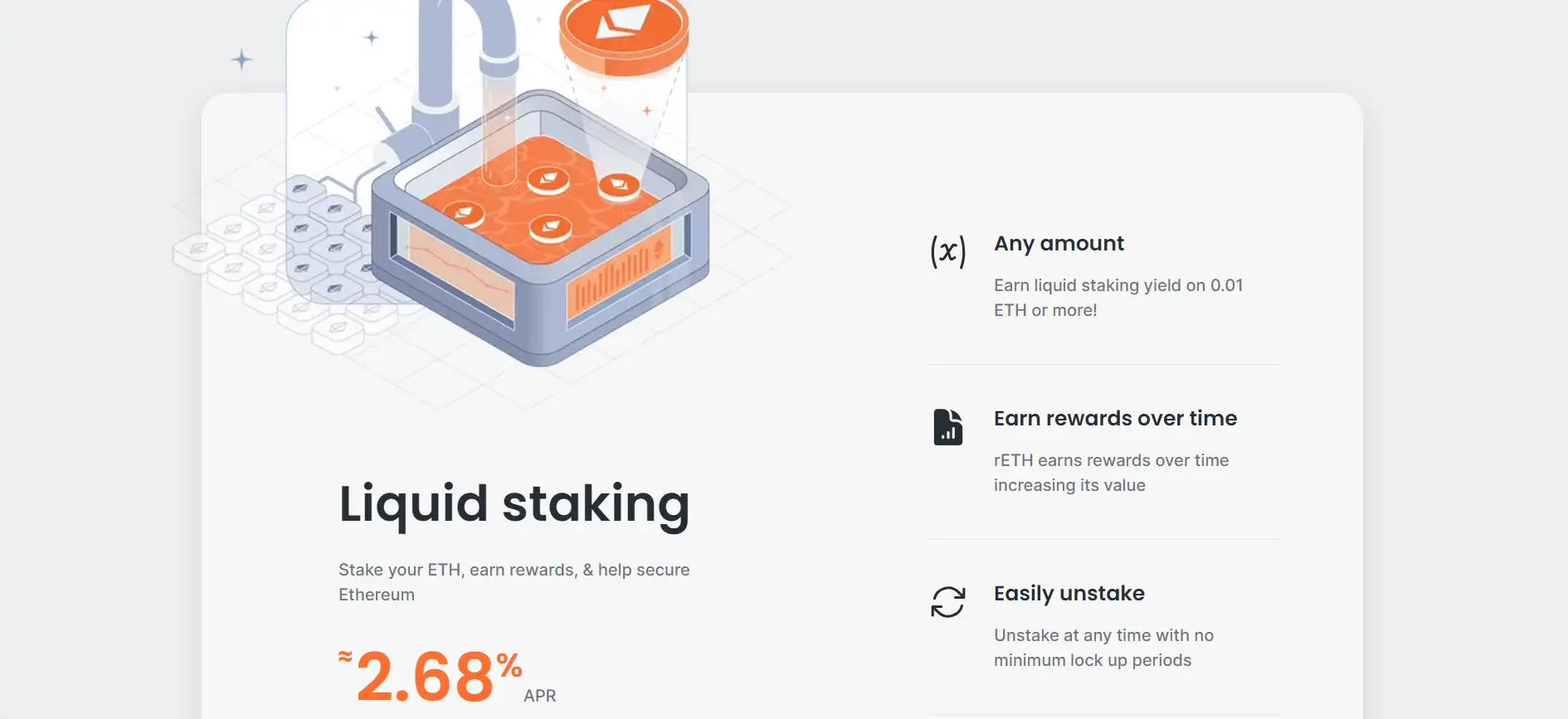
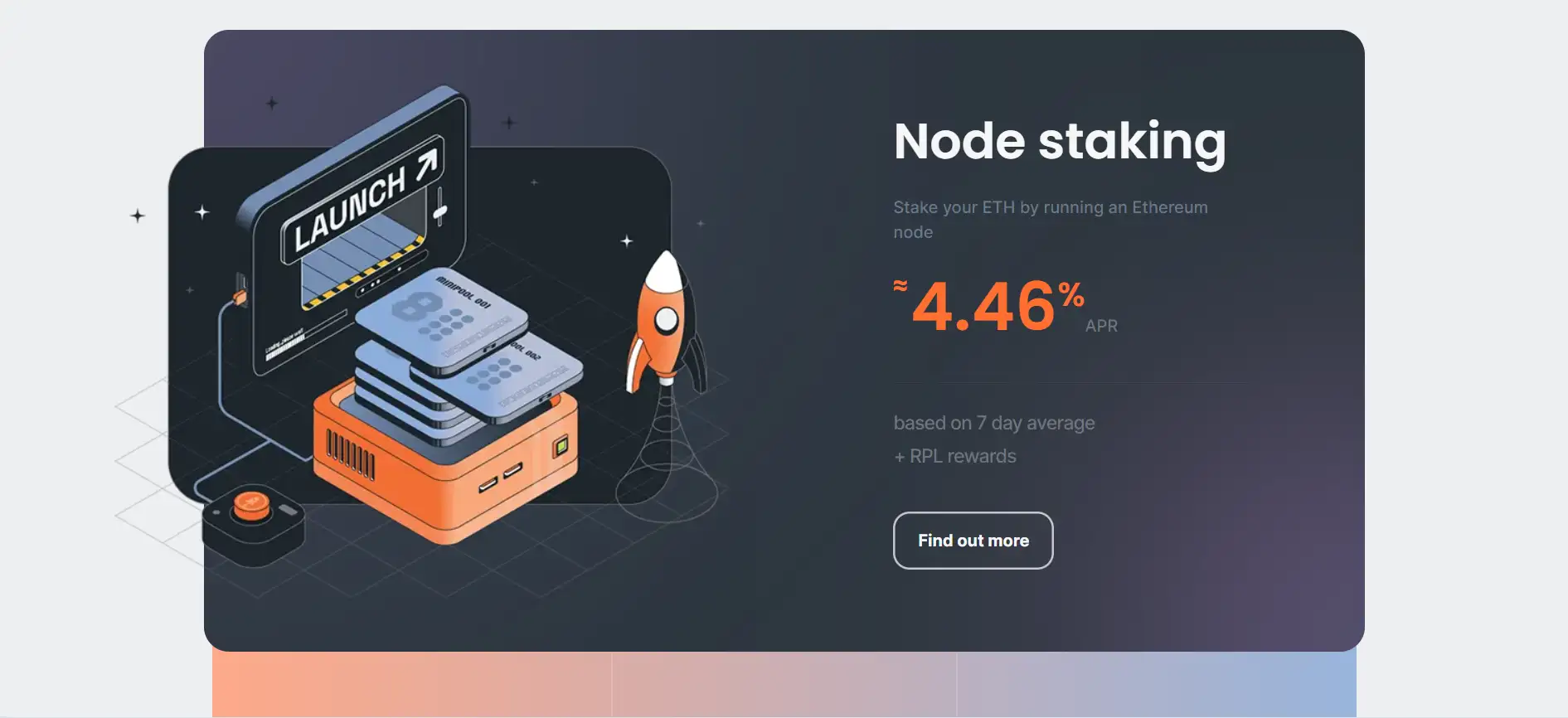
At its core, Rocket Pool offers two primary services: staking for individual users and node operation for those who want to run their own validator nodes. Users who stake less than **32 ETH** receive rETH, a liquid staking token that represents their staked ETH plus earned rewards. This token can be freely traded or used in DeFi applications. Meanwhile, node operators can join the network with just **8 ETH**, rather than the standard **32 ETH**, and earn higher rewards by managing staked funds from other users.
Unlike centralized staking services like Coinbase or Binance, Rocket Pool is fully decentralized and non-custodial, meaning users always retain control over their funds. This significantly reduces counterparty risks and ensures that no single entity can control the network. Competitors include other decentralized staking solutions like Lido and StakeWise, but Rocket Pool differentiates itself by emphasizing decentralization, community participation, and greater flexibility for node operators.
Rocket Pool was launched in 2016 with the goal of decentralizing Ethereum staking and making it more accessible to a broader audience. Since the transition of Ethereum to Proof-of-Stake (PoS), staking has become essential for securing the network. However, the high capital requirement of 32 ETH and the technical complexity of running a validator have made staking difficult for many users. Rocket Pool was developed to solve these challenges by creating a decentralized staking infrastructure that allows anyone to participate with a lower capital requirement.
At its core, Rocket Pool offers two primary services: staking for individual users and node operation for those who want to run their own validator nodes. Users who stake less than 32 ETH receive rETH, a liquid staking token that represents their staked ETH plus earned rewards. This token can be freely traded or used in DeFi applications. Meanwhile, node operators can join the network with just 8 ETH, rather than the standard 32 ETH, and earn higher rewards by managing staked funds from other users.
Unlike centralized staking services like Coinbase or Binance, Rocket Pool is fully decentralized and non-custodial, meaning users always retain control over their funds. This significantly reduces counterparty risks and ensures that no single entity can control the network. Competitors include other decentralized staking solutions like Lido and StakeWise, but Rocket Pool differentiates itself by emphasizing decentralization, community participation, and greater flexibility for node operators.
Rocket Pool offers several key benefits and features that make it a leading Ethereum staking solution:
Getting started with Rocket Pool is simple and requires just a few steps:
Rocket Pool uses a system of smart contracts and distributed validator technology to minimize risks. If a node operator fails to perform, the protocol has built-in mechanisms to slash their collateral while protecting user funds. Since all staking is handled by Ethereum’s native PoS system, user stakes are not at risk due to centralized failure.
Users can unstake their ETH by swapping rETH for ETH on decentralized exchanges or waiting for the protocol withdrawal queue once Ethereum withdrawals are processed. Unlike centralized staking platforms, Rocket Pool allows you to maintain flexibility in managing your staked assets.
Yes! rETH is a liquid staking token, meaning it can be used in various DeFi protocols while still accumulating staking rewards. You can provide liquidity, use it as collateral, or stake it in lending platforms like Aave. Check the latest integrations on the Rocket Pool website.
Rocket Pool node operators only need 8 ETH instead of the standard 32 ETH required for solo staking, making it easier to participate. Additionally, they earn staking rewards from their own ETH plus commission fees from user deposits. This creates a more attractive option compared to solo staking, which requires more capital and direct management.
Rocket Pool is designed to be Ethereum upgrade compatible. During major network upgrades, like The Merge and Shanghai, the protocol adapts seamlessly without requiring users to take action. Rocket Pool constantly updates its staking infrastructure to align with Ethereum's latest developments.